
EV Charging Cost: How to Work Out What You’ll Pay
EV charging cost equals the kilowatt-hours (kWh) you put into the battery multiplied by your price per kWh, plus about 10% for…
Read Full Guide →Charging an electric car at home: Level 1 and Level 2 chargers, installation, charging costs and charging from solar.

EV charging cost equals the kilowatt-hours (kWh) you put into the battery multiplied by your price per kWh, plus about 10% for…
Read Full Guide →
Level 2 EV charging cables can weigh between 10 to 15 pounds depending on their length and internal copper gauge. The best…
Read Full Guide →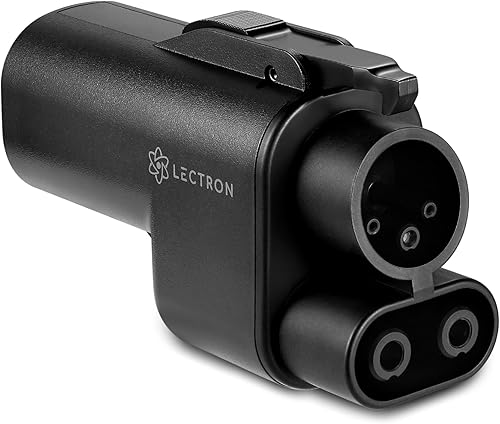
The safest and most reliable NACS adapters are OEM-supplied models or UL-certified third-party options from brands like Lectron, which safely bridge the…
Read Full Guide →
Yes, portable Level 2 chargers exist and plug into 240V outlets to deliver 16 to 40 amps of power. Most electric vehicle…
Read Full Guide →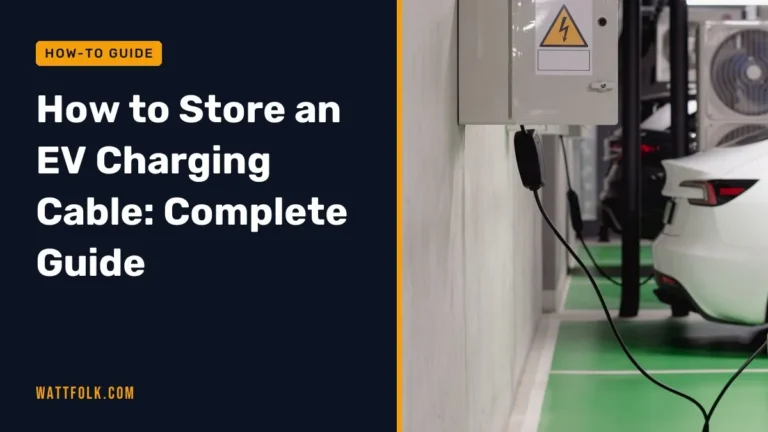
Thick copper EV cables require specific handling to prevent internal wire damage and dangerous overheating. Store your EV charging cable by loosely…
Read Full Guide →
The best portable EV chargers are UL-listed or ETL-listed Level 1 and Level 2 units, such as the EVDANCE or Raylix models,…
Read Full Guide →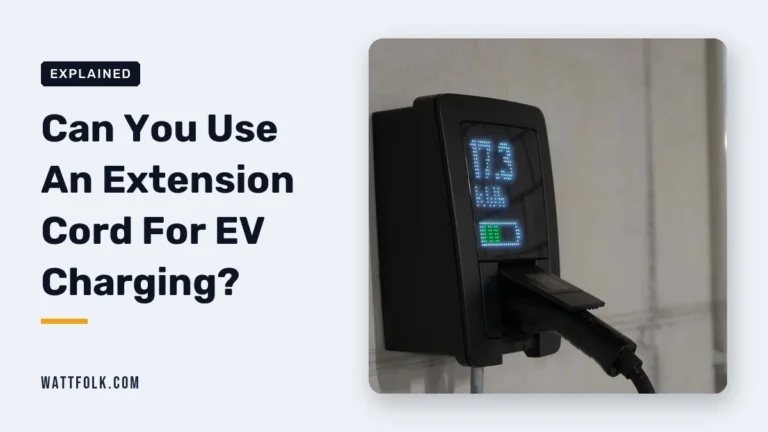
Most electric vehicle owners choosing an extension cord grab a standard indoor cable, while safety requires a heavy-duty 10- or 12-gauge cord.…
Read Full Guide →
Many people think they need a separate off-grid array for their car, but you should just route solar electricity through a standard…
Read Full Guide →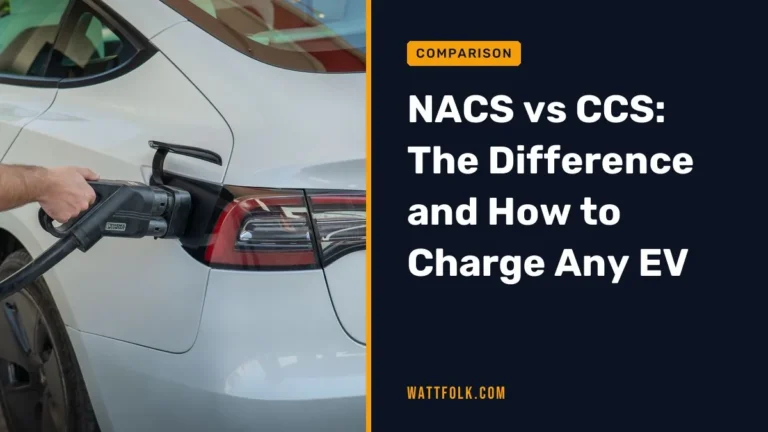
NACS (North American Charging Standard) is Tesla’s compact charging plug that is rapidly becoming the industry standard, while CCS (Combined Charging System)…
Read Full Guide →
The cheapest time to charge an electric car is generally between midnight and 6:00 AM, commonly known as off-peak hours. To get…
Read Full Guide →
A NEMA 14-50 is a heavy-duty, 240-volt electrical outlet that requires a 50-amp dedicated circuit. It can continuously deliver up to 40…
Read Full Guide →
The North American electric vehicle market is moving to a single charging plug. NACS stands for the North American Charging Standard, officially…
Read Full Guide →
On average, charging an electric vehicle at home costs about half as much per mile as fueling a comparable gas-powered car. However,…
Read Full Guide →
Installing a 240-volt Level 2 charger costs hundreds of dollars, while the basic 120-volt Level 1 cord that comes with your car…
Read Full Guide →
EV owners installing a home charger face a choice between strict North American Charging Standard (NACS) support or a plug for older…
Read Full Guide →