
Approximately 76% of the sunlight that falls on standard double-pane windows enters a home to become heat. Blocking this solar radiation with blackout curtains during the day and creating cross-ventilation at night are the most effective ways to lower indoor temperatures. You can also use evaporative cooling methods, like placing a bowl of ice in front of a fan, to drop the temperature further. Turning off heat-emitting appliances prevents the room from warming up from the inside.
Quick answer
Keep a room cool without an air conditioner by stopping heat from entering and actively venting the heat already inside. Block sunlight with white-backed curtains during the day, set up cross-breezes when night air is cooler, and turn off heat-generating electronics.
- Best for dry climates: DIY ice and fan evaporative cooling
- Best for immediate heat reduction: Reflective window films and blackout curtains
- Best for nighttime cooling: Strategic cross-ventilation using window exhaust fans
- Stop sunlight from heating your room by closing blinds and curtains before the sun hits the glass.
- Place a window fan blowing outward, pulling it 2 to 3 feet back to exhaust hot air faster using the Bernoulli principle.
- Run ceiling fans counterclockwise to create a wind-chill effect that makes you feel up to 4 degrees cooler.
- Turn off incandescent lights and large electronics. A resting human body already outputs 100 watts of heat into a bedroom.
- Use DIY ice fans only in low humidity. They add moisture to the air and lose effectiveness above 60% humidity.
- How to keep a room cool without AC in the summer?
- When exactly should I open and close my windows?
- How do you make a DIY swamp cooler with ice and a fan?
- Fan Optimization and the Bernoulli Principle
- How do I keep my room cool without AC at night to sleep?
- How can I keep my house cool without AC or a fan?
- What appliances should I turn off to keep my room cool?
- What do owners say?
- Frequently Asked Questions
How to keep a room cool without AC in the summer?
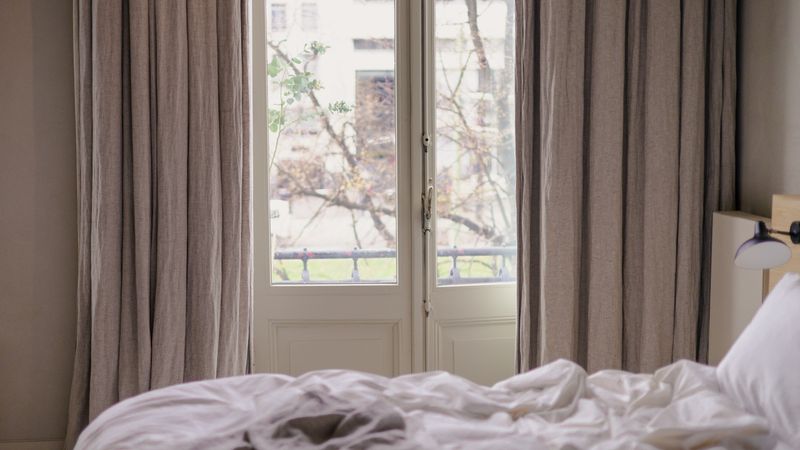
The main goal during the summer is stopping solar radiation before it heats the objects inside your home. Sunlight passing through glass creates a greenhouse effect. Once that heat gets inside, it becomes trapped in your walls, floors, and furniture. To prevent this, you must cover your windows.
Based on energy efficiency standards, medium-colored draperies with white plastic backings can reduce heat gains by up to 33%. Reflective window films provide another excellent barrier. These stick directly to the glass and bounce solar energy back outside. Close all curtains and blinds on the east-facing side of the house in the morning. Move to the west-facing windows in the afternoon.
When exactly should I open and close my windows?
A common mistake is leaving windows open all day. This simply invites hot air inside. You must manage your windows based on the outdoor temperature versus the indoor temperature. Use a digital thermometer inside and check your local weather app outside to find the exact crossover point.
| Time of Day | Action Required | Reasoning |
|---|---|---|
| Morning (6 AM – 9 AM) | Close windows and blinds. | Seal the house as soon as the outdoor temperature matches the indoor temperature. |
| Afternoon (12 PM – 5 PM) | Keep everything sealed. Run ceiling fans. | Prevent peak daytime heat and solar radiation from entering. |
| Evening (7 PM – 10 PM) | Open windows. Set up exhaust fans. | Begin purging hot indoor air once the outside air drops below indoor levels. |
| Night (10 PM – 6 AM) | Leave windows open for cross-breezes. | Pull in the coolest air of the day to reset the home’s thermal mass. |
How do you make a DIY swamp cooler with ice and a fan?
You can create a localized cooling effect by placing a large bowl of ice directly in front of a desk fan or box fan. As the fan blows air over the ice, the ice melts and evaporates. This process, called evaporative cooling, pulls heat energy out of the air. It blows a chilled breeze directly onto you.
Fill a mixing bowl with ice cubes or freeze large plastic bottles of water. Large blocks of ice melt slower than small cubes, providing a longer cooling effect. Place a towel under the bowl to catch condensation.
Fan Optimization and the Bernoulli Principle
Fans cool people, not rooms. They create a wind-chill effect. A ceiling fan should run counterclockwise in the summer. This pushes a breeze straight down. The moving air evaporates sweat from your skin, making you feel up to 4 degrees cooler. If you leave a fan running in an empty room, the electric motor actually adds heat to the space.
For window fans, positioning dictates efficiency. Do not press a box fan tight against the window screen. Instead, pull the fan 2 to 3 feet back into the room, pointing it outside.
From the Shop
From what we’ve seen setting up shop ventilation, placing an exhaust fan flush against a window restricts airflow. Pulling it back 24 to 36 inches utilizes the Bernoulli principle. The high-speed air from the fan creates a low-pressure zone, which drags the surrounding stagnant room air out through the window much faster than a flush-mounted fan.
How do I keep my room cool without AC at night to sleep?
Sleeping in a hot room is uncomfortable. A resting human body outputs approximately 100 watts of heat energy. In a small, poorly ventilated bedroom, this body heat noticeably warms the space over an 8-hour sleep period.
To stay cool, set up a cross-breeze. Open a window on the cooler, shaded side of the house to pull fresh air in. Place an exhaust fan in a window on the opposite side of the house to blow hot air out. This continuous flow prevents body heat from building up.
Use breathable bedding. Bamboo or percale cotton sheets allow body heat to escape better than synthetic polyester blends. You can also place your bed sheets in a plastic bag and chill them in the freezer for ten minutes before getting into bed. This provides immediate relief while you fall asleep.
If the outside air is cooler than the inside air: Open windows and run a cross-breeze.
If the outside air is still hotter than the inside air: Keep windows closed and use a floor fan pointed directly at the bed.
If the humidity is low: Run a DIY ice fan near the bed for localized cooling.
How can I keep my house cool without AC or a fan?
Power outages happen. Sometimes you do not have electricity to run a fan. You can still cool a house using passive thermodynamics.
Create a natural draft by opening lower-level windows on the shady side of the house and upper-level windows on the hot side. Heat rises naturally. The hot air will escape through the top floor, pulling cooler air in through the bottom windows. You can also hang damp towels in front of open windows. Any natural breeze passing through the wet fabric will cool the incoming air via evaporation.
| Cooling Method | Type | Best Conditions |
|---|---|---|
| Thermal Drafts | Passive | Multi-story homes during cool evenings |
| Wet Towels on Windows | Passive | Breezy, low-humidity days |
| Window Exhaust Fan | Active | When outside air is 5+ degrees cooler than inside |
| DIY Ice Fan | Active | Dry climates with under 30% relative humidity |
What appliances should I turn off to keep my room cool?
Everything plugged into a wall generates heat. Incandescent bulbs are major offenders. They convert only about 10% of their energy into light. The remaining 90% is emitted directly as heat into the room. Turn them off. Switch to LED bulbs, which produce the same light but run much cooler.
Avoid using the oven or stove during a heatwave. Cook outside on a grill or prepare cold meals. Turn off gaming consoles, desktop computers, and large televisions when you are not using them. High-performance electronics act as small space heaters. Unplugging them prevents unnecessary heat accumulation in small rooms.
What do owners say?
Owners like
- Blackout curtains provide excellent relief from harsh afternoon sun.
- Window tint film drops the temperature noticeably almost immediately.
- The ice-bowl fan trick provides great localized relief for sleeping.
- Cooling gel mattress toppers actually retain their coolness for a few hours.
Common complaints
- DIY ice fans can make a room feel damp and uncomfortably humid over time.
- Reflective window films can be very difficult to install without air bubbles.
- Leaving windows open at night for cross-breezes invites bugs, dust, and street noise.
- Running a fan in a room already over 90 degrees simply moves hot air around without cooling you.
Summarised from owner reviews and long-term user reports; individual experiences vary.
Frequently Asked Questions
how to keep room cool without ac in summer?
Block sunlight from entering your windows by using white-backed blackout curtains or reflective window films. Keep windows closed during the hottest parts of the day. Once the outdoor temperature drops in the evening, open windows and use exhaust fans to pull cooler air inside.
how to keep room cool without ac at night?
Set up a cross-ventilation breeze by placing an exhaust fan in one window and opening another window on the opposite side of the house. Use breathable cotton or bamboo bedding. You can also place a bowl of ice in front of a desk fan pointed at your bed for direct evaporative cooling.
what can keep a room cool without ac?
Blackout curtains, reflective window tints, ceiling fans running counterclockwise, and strategically placed window fans all help lower a room’s temperature. Minimizing indoor heat sources by turning off incandescent lights, ovens, and large electronics is also necessary.
keep room cool without ac reddit?
Users frequently recommend the Bernoulli fan trick. Instead of placing a box fan flush against a window screen, pull it back two to three feet into the room and point it outside. This setup expels hot air much faster by creating a low-pressure zone that pulls surrounding air out with it.
how can i keep my room cool without ac?
Manage your windows carefully. Seal them in the morning before the day heats up, and only open them at night when the outside air is cooler than the inside air. Combine this schedule with heavy curtains to block the 76% of solar heat that typically enters through standard window glass.
how do you keep house cool without air conditioning?
Utilize passive thermal drafts. Open lower windows on the cooler, shaded side of the property and upper windows on the hot side to allow rising hot air to escape naturally. Plant shade trees or install exterior awnings to block sunlight before it ever reaches the windows.