
How Does a Home Energy Monitor Work? Sensors, Panels & Apps Explained
A home energy monitor measures the current flowing through your mains wires, usually with clip-on CT (current transformer) sensors at the breaker…
Read Full Guide →Practical ways to cut the electricity bill: understanding rates, measuring what uses power and fixing the biggest leaks.
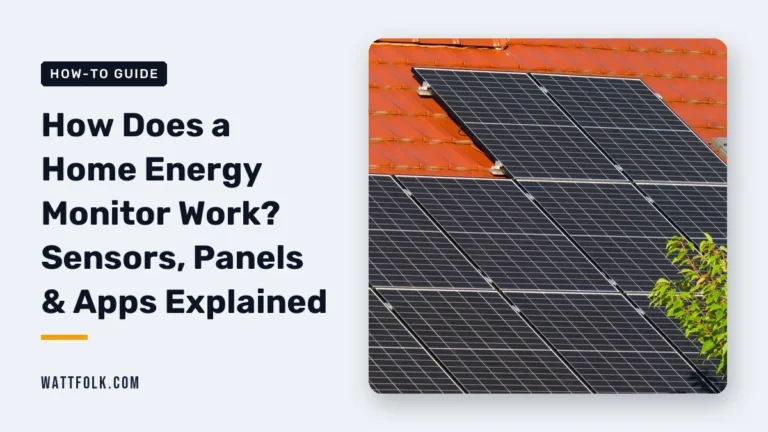
A home energy monitor measures the current flowing through your mains wires, usually with clip-on CT (current transformer) sensors at the breaker…
Read Full Guide →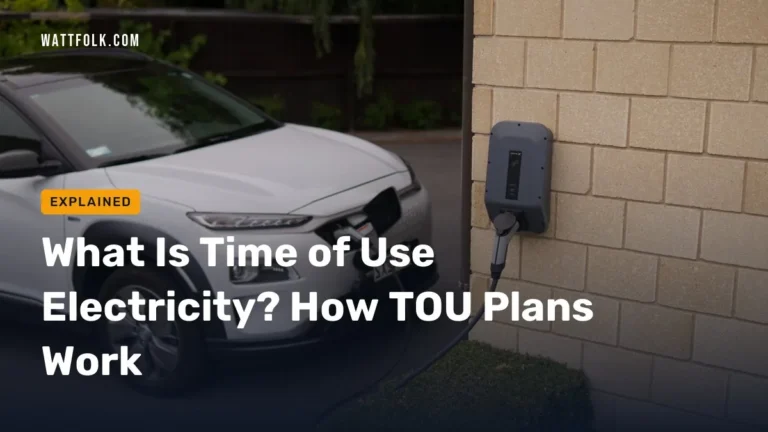
Many people switch to a time-of-use plan expecting a lower bill, then find it went up. Time-of-use (TOU) electricity charges a different…
Read Full Guide →
Reading the wattage off an appliance label is the most common mistake, because that number shows the maximum draw, not what the…
Read Full Guide →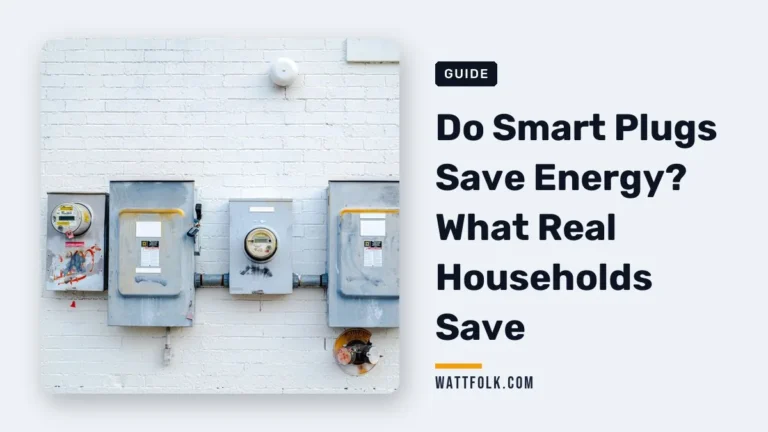
Smart plugs save energy only when they cut power to devices that waste it in standby or run when nobody needs them.…
Read Full Guide →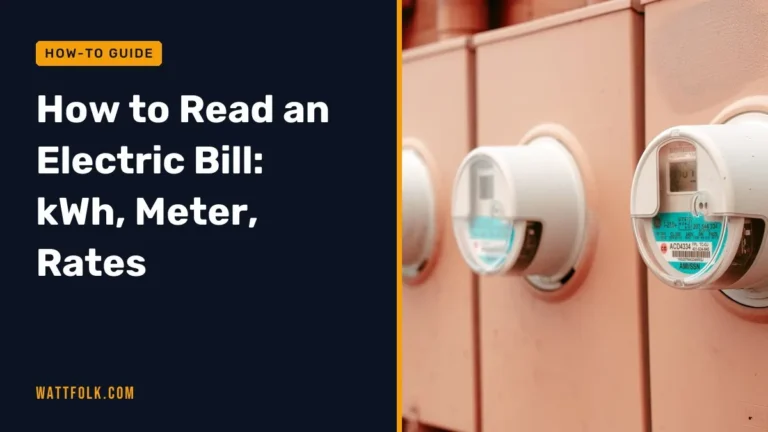
The average US home uses roughly 850 to 900 kWh a month, according to the U.S. Energy Information Administration (EIA), and every…
Read Full Guide →
Hawaii households pay about 41 cents per kWh, while North Dakota households pay about 11 cents. The US average residential price is…
Read Full Guide →
Emporia Vue 3 tracks the main service plus up to 16 individual circuits with clamp-on sensors, while Sense reads only the main…
Read Full Guide →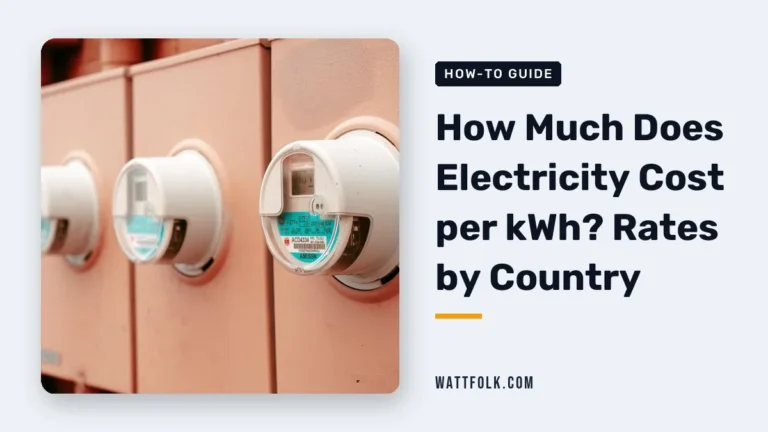
Most US households pay about 17 cents per kWh, though your own rate can run from roughly 12 to 40 cents depending…
Read Full Guide →
Most people start by unplugging phone chargers or buying a “power saver” gadget, and those moves save little or nothing. To lower…
Read Full Guide →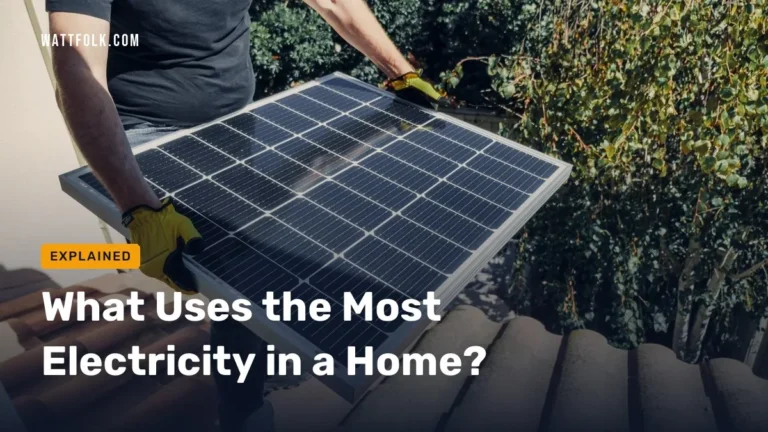
Heating, cooling and hot water use the most electricity in most homes, and air conditioning is the single largest use across the…
Read Full Guide →