
Homeowners evaluating HVAC options face a direct financial trade-off: balancing steep professional installation fees against long-term reductions in monthly electricity bills. Single-zone mini-splits typically cost between $3,000 and $6,000 fully installed, while multi-zone systems for an entire home range from $7,000 to over $15,000. Operating costs average $30 to $100 per month, with heating generally costing slightly more than cooling due to larger seasonal temperature differentials. This guide breaks down exact equipment prices, details why contractor labor forms the bulk of the bill, and exposes the hidden electrical and aesthetic fees that frequently shock buyers upon receiving their first quote.
Quick answer
Expect to pay $3,000 to $6,000 for a professionally installed single-zone mini-split, and $7,000 to $15,000 or more for a whole-house multi-zone system. Average monthly operating costs run $30 to $100 depending on local electricity rates and seasonal weather.
- Best for single rooms: A 1-zone system ($3,000-$6,000 installed).
- Best for whole homes: A 3-to-5 zone system ($7,000-$15,000+ installed).
- Equipment alone costs $700 to $2,500 per zone, but labor and overhead account for 40% to 60% of the total installation bill.
- Adding one additional indoor head to a multi-zone system usually adds $1,000 to $2,000 to the total cost.
- Hidden expenses, such as 100-amp electrical panel upgrades or dedicated 220V lines, can add $1,500 or more to a project.
- Heating consumes more electricity than cooling because winter temperature gaps between outdoor and indoor air are much larger than summer gaps.
- Qualifying high-efficiency mini-split heat pumps are eligible for a 30% federal tax credit up to $2,000 under the Inflation Reduction Act (IRA).
- What is the mini split ac equipment cost without labor?
- How much does mini split cost to install?
- Why are mini splits so expensive?
- Do mini splits cost a lot to run?
- Do mini splits cost more to heat or cool?
- Are mini splits cost effective compared to central air?
- Contractor Quote Checklist
- What do owners say?
- Frequently Asked Questions
What is the mini split ac equipment cost without labor?
Single-zone mini-split equipment alone typically retails between $700 and $2,500 depending on capacity, efficiency ratings, and brand reputation. When buying the hardware directly, you are paying for three main components: the outdoor compressor, the indoor air handler (head), and the line set (the bundle of copper refrigerant pipes and communication wires connecting them).
Multi-zone systems share a single, larger outdoor compressor connected to several indoor air handlers. The outdoor compressor is the most expensive piece of the puzzle. Once you have a multi-zone compressor, adding one additional indoor head to the system usually adds $1,000 to $2,000 to the total installation cost.
| System Size | Average Equipment Cost (Hardware Only) | Average Total Cost (Installed) |
|---|---|---|
| 1-Zone (Single Room) | $700 – $2,500 | $3,000 – $6,000 |
| 2-Zone | $1,500 – $3,200 | $5,000 – $8,500 |
| 3-Zone | $2,200 – $4,500 | $7,000 – $11,000 |
| 4-Zone | $3,000 – $5,500 | $9,000 – $14,000 |
| 5-Zone (Whole House) | $3,800 – $7,000 | $12,000 – $15,000+ |
Premium brands command the higher end of these equipment ranges. They often feature proprietary inverter technology, which allows the compressor to adjust its speed precisely to match the room’s temperature needs, rather than blasting on and off at full power. Budget brands keep hardware costs low but often sacrifice long-term parts availability and energy efficiency.
How much does mini split cost to install?
Labor, overhead, and installation materials usually account for 40% to 60% of the total professional installation cost. Buyers frequently experience sticker shock when they see a $1,500 piece of equipment turn into a $4,500 quote. The markup covers the highly specialized labor required to install refrigerant systems safely and legally.
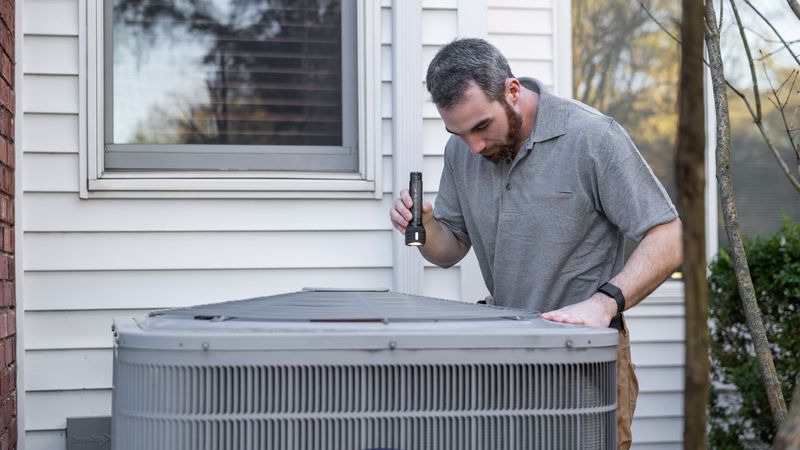
HVAC technicians must follow strict protocols to prevent refrigerant leaks. They flare copper pipes, pressure test the lines with nitrogen to check for micro-leaks, and use specialized vacuum pumps to remove all moisture from the system before releasing the refrigerant. Any moisture left inside the copper lines will mix with the refrigerant to form acids, which destroys the compressor over time. Proper installation protects the equipment warranty and ensures the unit hits its advertised efficiency targets.
Why are mini splits so expensive?
Beyond the equipment and the specialized refrigerant labor, site-specific challenges drive up the final bill. Every home requires a custom setup, and hidden installation hurdles routinely add thousands to the initial estimate.
Electrical infrastructure is the most common hidden cost. Mini-splits require dedicated circuits. Small single-zone units might run on standard 110V power, but most multi-zone compressors require a dedicated 220V circuit. If your home still has an older 100-amp electrical panel that is entirely full, the electrician cannot simply add a new breaker. Upgrading to a 200-amp panel to handle the heat pump’s load easily adds $1,500 to $2,500 to the total project.
From the Shop
Contractors often hand over completely reasonable HVAC quotes that turn expensive once the electrical requirements are factored in. We frequently see homeowners commit to a $7,000 three-zone system, only to discover the day before installation that their local code enforcement requires a heavy-up on their main electrical panel, adding $2,000 to the job and delaying the project by weeks while waiting for utility permits.
Aesthetics also cost money. By default, the copper lines, drain tubes, and communication wires run down the exterior siding of your home. They look messy. Contractors use plastic covers, called line-hides, to conceal these bundles. The materials for these covers are surprisingly expensive, and installing them perfectly straight around corners and roof eaves takes considerable time. This aesthetic upcharge frequently appears as an extra line item on professional quotes.
Do mini splits cost a lot to run?
Mini-splits are incredibly efficient. Because they use heat pump technology rather than electrical resistance strips, they move heat rather than generate it. This makes them highly cost-efficient for cooling compared to traditional central AC, which often sits around 14 to 18 SEER2. Mini-splits, on the other hand, can achieve SEER2 ratings over 30.
Operating costs average $30 to $100 per month. Your exact bill depends on three factors: the system’s efficiency rating, your local climate, and your local electricity rate. The average residential electricity rate in the United States is roughly 17 cents per kilowatt-hour (kWh), though states vary widely from 12 cents to over 40 cents.
You can estimate your monthly running cost using this basic formula:
- Divide the unit’s BTU rating by its SEER2 rating to find the estimated wattage.
- A 12,000 BTU unit with a 24 SEER2 uses roughly 500 watts (0.5 kW) per hour while running.
- Multiply 0.5 kW by your state’s electricity rate ($0.17). That equals $0.085 per hour.
- If the unit runs for 8 hours a day, it costs $0.68 daily, or about $20.40 per month for that specific zone.
Do mini splits cost more to heat or cool?
Heating generally consumes more electricity than cooling because the temperature difference between outdoor air and desired indoor air is larger in winter than in summer. The physics are straightforward: the wider the temperature gap, the harder the compressor must work to transfer thermal energy.
Consider a typical summer day. It might be 90 degrees Fahrenheit outside, and you want your living room at 70 degrees. The mini-split only needs to overcome a 20-degree temperature differential to cool the room.
Now look at winter. It might be 20 degrees outside, and you still want the room at 70 degrees. The compressor must now extract ambient heat from freezing outdoor air and push it across a 50-degree temperature differential. Moving heat up a 50-degree “hill” requires significantly more electrical energy than moving it across a 20-degree “hill.” Consequently, winter heating bills are almost always higher than summer cooling bills for the exact same system.
Are mini splits cost effective compared to central air?
Mini-splits offer massive efficiency advantages over traditional central air conditioning, primarily because they do not use ductwork. According to energy standards, leaky residential ductwork often loses 20% to 30% of the conditioned air before it ever reaches the room. Ductless systems deliver 100% of the cooling directly into the space.
Furthermore, the federal government heavily subsidizes this efficiency. Qualifying high-efficiency mini-split heat pumps are eligible for a 30% federal tax credit up to $2,000 under the Inflation Reduction Act (IRA). Many local utilities also offer point-of-sale rebates ranging from $300 to $1,000 to encourage homeowners to switch away from fossil fuel heating systems. When you factor in the IRA tax credit, the total installation cost of a multi-zone mini-split becomes highly competitive with a traditional ducted AC replacement.
Contractor Quote Checklist
When comparing estimates from HVAC companies, ensuring apples-to-apples pricing prevents sudden budget overruns. Use this checklist to verify that all hidden costs are covered in the initial bid.
- Electrical Work: Does the quote explicitly state who is providing the dedicated 220V circuit? If you have an older panel, get written confirmation that your current amperage can support the load without a heavy-up.
- Line-Hide Covers: Are exterior aesthetic covers included, or are they billed as an optional extra per foot?
- Concrete Pads or Wall Brackets: Where will the outdoor unit sit? The quote must include a poured pad, a plastic composite pad, or a wall-mounting bracket with vibration isolators.
- Permits: Who pulls the local building and electrical permits, and are the municipal fees included in the total price?
What do owners say?
Owners like
- Noticeable drops in monthly utility bills compared to using electric baseboards or oil heating
- The ability to stop paying to heat or cool unused guest rooms
- Very quiet operation compared to window units, making the investment feel premium
Common complaints
- Sticker shock when receiving professional installation quotes, which often dwarf the equipment cost
- Unexpected extra fees for cosmetic line-set covers on the exterior of the house
- High cost of proprietary replacement parts, such as control boards, when out of warranty
Summarised from owner reviews and long-term user reports; individual experiences vary.
Frequently Asked Questions
how much mini split cost
A single-zone mini-split typically costs between $3,000 and $6,000 fully installed. A multi-zone system capable of conditioning an entire house generally ranges from $7,000 to over $15,000, depending on the number of indoor heads required.
how do mini splits cost
The total cost breaks down into three main categories: the equipment hardware (outdoor compressor and indoor heads), professional installation labor (refrigerant handling and pressure testing), and hidden site preparations (electrical panel upgrades, permits, and exterior line-hide covers). Labor and overhead usually make up 40% to 60% of the total price.
how much does mini split cost to install
If you already own the equipment, hiring a licensed HVAC contractor strictly for the labor to install it typically costs between $1,500 and $3,000 per zone. However, many reputable contractors refuse to install customer-supplied equipment because they cannot warranty hardware they did not source themselves.
what does mini split cost
The bare hardware for a single-zone unit costs $700 to $2,500. When fully installed by a professional, the total bill for that single zone will reach $3,000 to $6,000. Multi-zone installations scale up rapidly, often exceeding $12,000 for a five-zone system.
do mini splits cost a lot to run
No, they are highly energy-efficient. Operating costs average $30 to $100 per month depending on your usage, local climate, and state electricity rates. Because they can achieve SEER2 efficiency ratings over 30 and do not suffer from ductwork air leaks, they cost significantly less to run than standard central air conditioning or electric baseboard heaters.
do mini splits cost more to heat or cool
Yes, they cost more to heat. Heating requires the system to move thermal energy across a much larger temperature differential (e.g., from 20 degrees outside to 70 degrees inside). Cooling usually involves a smaller temperature gap (e.g., from 90 degrees outside to 70 degrees inside). The wider the gap, the more electricity the compressor draws to move the heat.